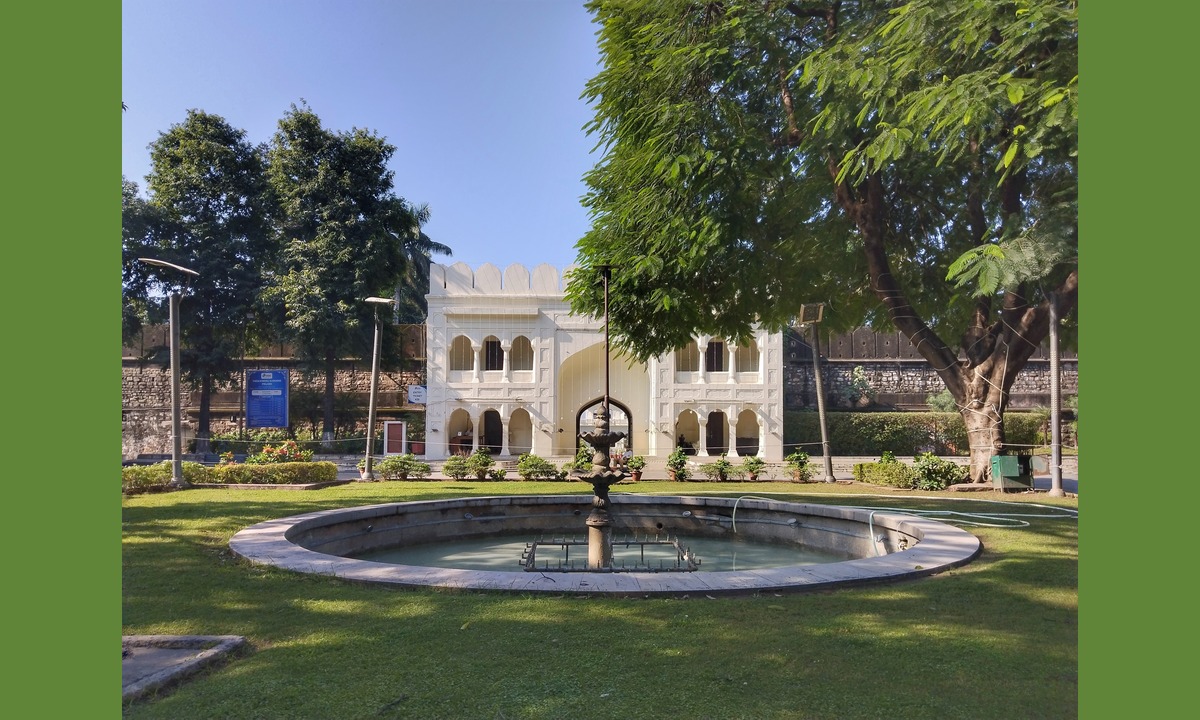
The Grid of Greatness: Why Chandigarh is India’s Urban North Star
In the 1950s, architect Le Corbusier envisioned the Punjab plains not merely as a site for construction, but as a "living organism." He meticulously designed Chandigarh with a symbolic anatomy: the Capitol Complex as the head, the City Centre as the heart, and the Leisure Valley as the lungs.
Today, while other Indian metros struggle with disorganised sprawl, Chandigarh stands as a premier example of how proactive planning builds a sustainable urban environment. The fact that it is a slum free city with minimal traffic congestion further validates the above mentioned statement.
Let's decode how the joint capital of the Punjab and Haryana serves as a blueprint for futuristic town planning.
Human-Centric Planning through the Sector System:
Unlike the haphazard expansion common in many Indian cities, Chandigarh utilizes a structured Sector System. Each 800m x 1200m grid operates as an independent community. These provide localized access, by placing schools, markets, and healthcare within a 10-minute walk. This way, the city significantly lowers the dependency on vehicles.

The 7V Road Hierarchy:
This system categorises roads from major arteries to quiet pedestrian paths, successfully insulating residential zones from heavy traffic—a rare feat in modern urban centers.
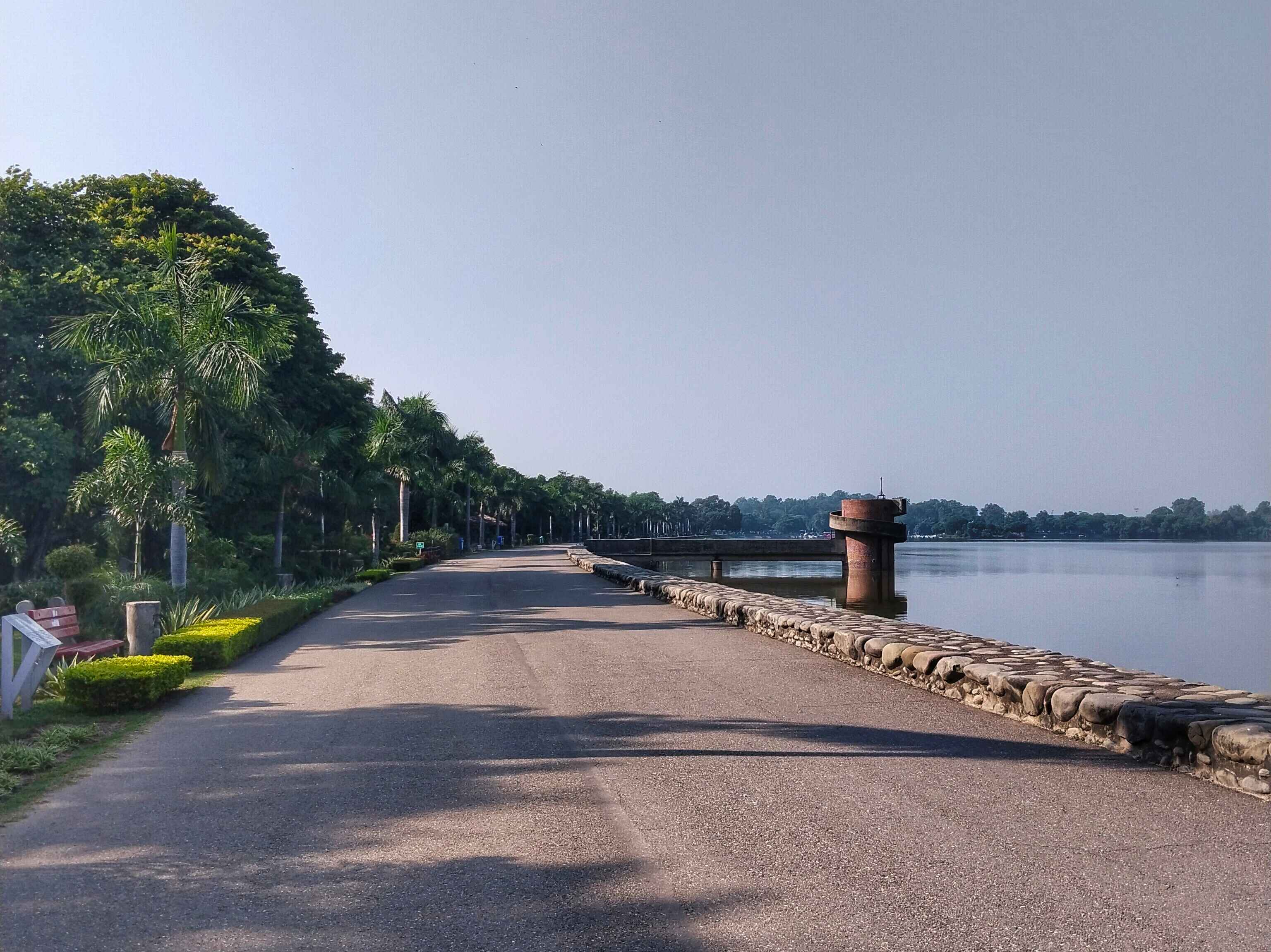
Green Spaces as Vital Infrastructure:
Chandigarh treats environmental integration as a core requirement rather than an aesthetic bonus. The 8-kilometer Leisure Valley serves as a central respiratory system for the city.

Temperature Regulation:
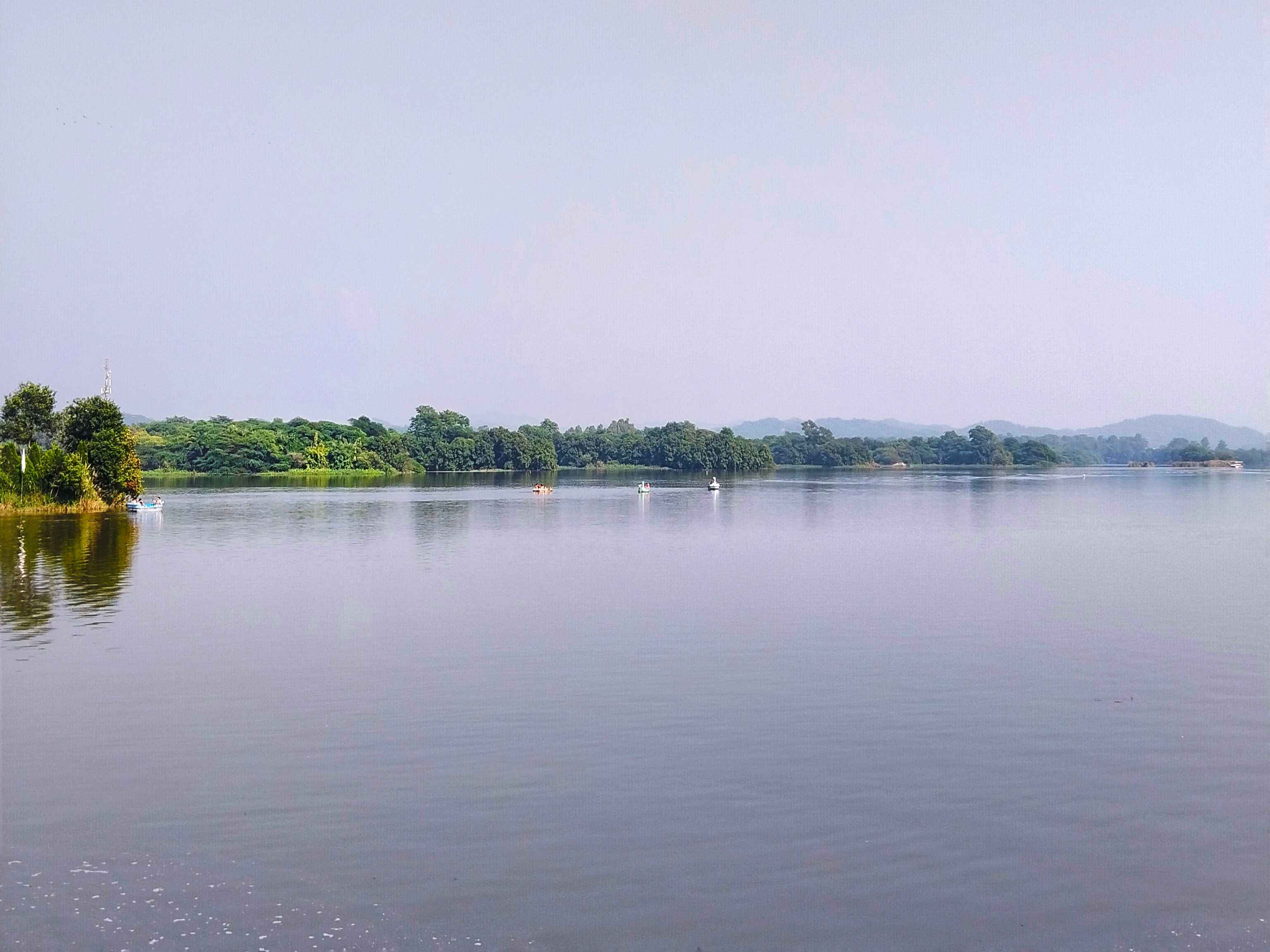
The extensive forest cover and Sukhna Lake help counteract the "urban heat island" effect, keeping the city cooler.
Controlled Density:
Strict zoning and height regulations prevent the suffocating "concrete jungle" effect, guaranteeing that every home enjoys natural light and ventilation.
Discipline in Governance:
The city’s endurance is rooted in administrative rigour. Unlike Bengaluru or Delhi, which have often succumbed to the unregulated commercialization of residential zones, Chandigarh has protected its original Master Plan. It serves as a potent reminder that the effectiveness of zoning laws depends entirely on their consistent enforcement.
Strategic Takeaways for Future Cities:
As India advances its "Smart Cities Mission," Chandigarh provides three essential pillars:
Pedestrian-First Design: Focus urban layouts on people rather than personal vehicles.
Decentralized Services: Create self-reliant neighborhoods to eliminate long-distance commuting.
Protected Commons: Recognize that open parks are essential infrastructure, not vacant plots for commercial development.
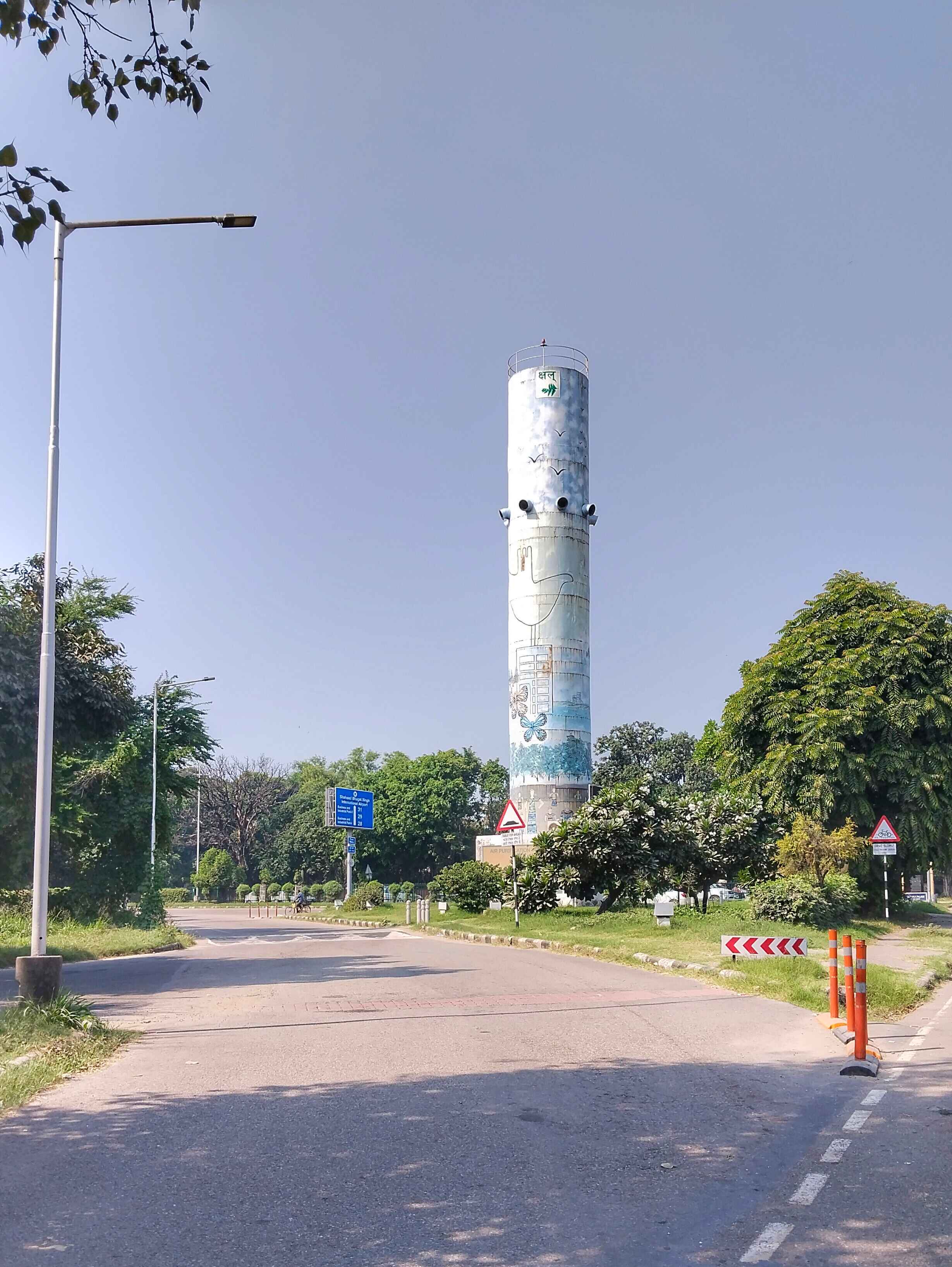
Chandigarh: A blueprint for Indian urbanism
Chandigarh isn’t just a city; it’s an argument for intentional living. It serves as a reminder that with enough courage to plan for the next century rather than the next fiscal year, Indian urbanism can be both modern and humane.
Popular Categories
Read More Articles

Education
CSR initiatives give Bahraich govt schools an infrastructure boost by Awadh 360° Desk October 5, 2026
Technology
Dyson’s new Rs 47,000 toothbrush can ‘see’ between your teeth. Would you pay? by Awadh 360° Desk September 3, 2026
Politics
Seven Streams, One Goal: Inside PM Modi's 'Saptadhara' Vision To Build A Viksit Bharat by Abhishek Tandon August 30, 2026
Politics
Bankipur bypoll: More than one seat, Prashant Kishor’s first real political breakthrough by Awadh 360° Desk August 4, 2026