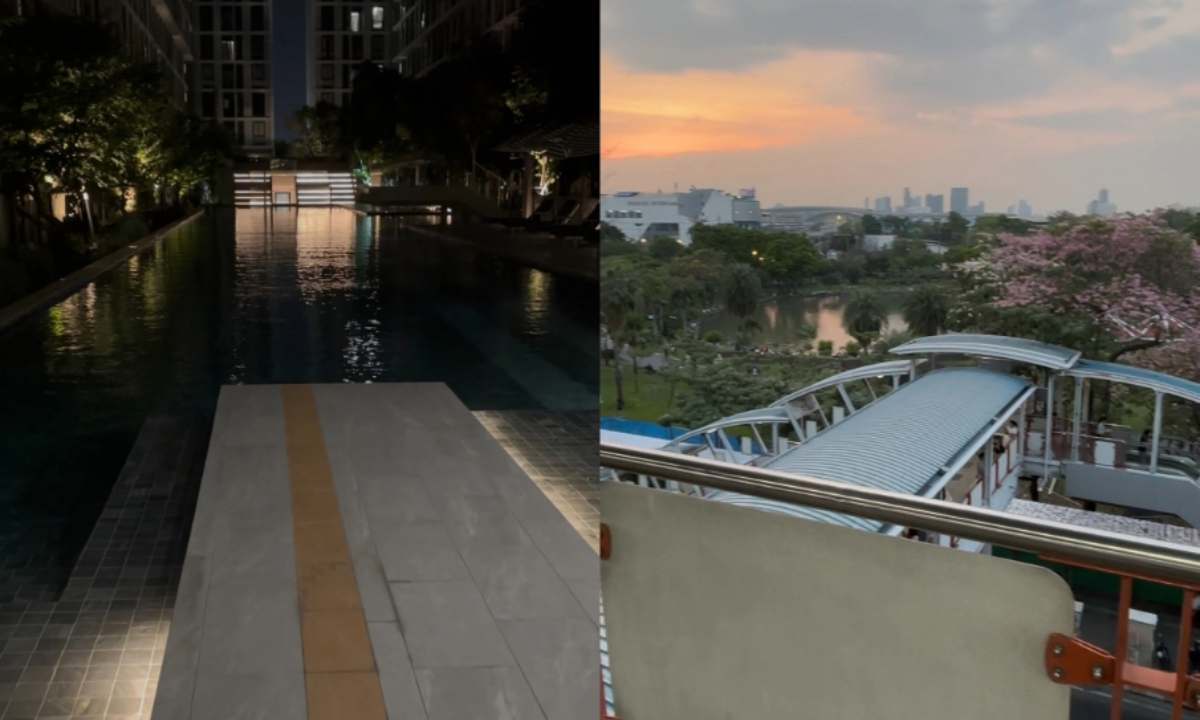
Thailand Extends Visa-Free Stay for Indians to 60 Days, Allows 30-Day Extension
Indian passport holders now have a longer window to explore Thailand — without the paperwork.
Under a fresh policy update, Indians can stay in Thailand visa-free for up to 60 days. A further 30-day extension can be sought, effectively allowing a three-month stay.
In an official statement, Airin Phanrit, Deputy Spokesperson for the Prime Minister’s Office, said the change upgrades India from the earlier 30-day visa-on-arrival facility and places it on Thailand’s “Form 60” exemption list, which currently covers 93 nationalities.
From 30 days to 60
Until now, Indian travellers could obtain a visa on arrival for a stay of up to 30 days. With the revised framework, Indian passport holders can enter Thailand without securing a visa in advance and remain in the country for as long as 60 days for tourism or leisure. The exemption remains valid until further notice.
The Thai embassy clarified that the visa-free facility applies to tourism and leisure travel. However, travellers must be prepared with:
Proof of accommodation covering the entire stay
- A completed Thailand Digital Arrival Card (TDAC), to be filled out online within three days prior to travel
- A confirmed return or onward ticket
- A separate group of 31 countries and territories continues to qualify for Visa on Arrival at designated immigration checkpoints.
- Travel rebound and broader reforms
The move comes amid a steady recovery in Indian outbound travel to Thailand following the pandemic. Visitor numbers from India have crossed the two-million mark in 2025, according to official figures.
Beyond the extended visa-free stay, Thailand has undertaken wider reforms to make entry procedures smoother. These include simplifying visa classifications, widening access to its global e-visa platform and mandating digital arrival documentation.
At the same time, authorities have cautioned against misuse of longer visa-free stays, even as they promote new pathways for students and remote professionals.
New options for remote workers and students
In 2024, Thailand rolled out the Destination Thailand Visa (DTV), aimed at digital nomads and remote workers seeking longer stays while working online from within the country. The visa is designed to attract professionals who combine travel with location-independent work.
Additionally, a Non-Immigrant ED Plus visa category has been introduced. This allows foreign nationals to remain in Thailand for study, or structured programmes that combine education with limited work permissions under specified conditions.
Cabinet review and policy oversight
Earlier this year, the Cabinet acknowledged a set of visa-related changes that have been progressively implemented through 2025. A dedicated Visa Policy Committee was constituted, and it has already convened twice to review and coordinate reforms.
As part of medium-term restructuring, Thailand reduced the number of temporary residence — or Non-Immigrant — visa categories from 17 to seven. The revised framework came into force on August 31, 2025. The Ministry of Foreign Affairs has since updated its electronic visa systems, informed relevant agencies and publicised the changes through official channels.
On January 1, 2025, Thailand also expanded its e-visa service to all 94 embassies and consulates-general worldwide through its official portal.
Digital arrival system now mandatory
The Immigration Bureau has replaced the earlier Electronic Travel Authorisation system with the Thailand Digital Arrival Card (TDAC), known administratively as the TM.6 online system. In use since May 1, 2025, the TDAC is now compulsory for incoming travellers.
What may change next
Officials are examining a second-phase expansion of the Visa on Arrival list, with eight additional countries under consideration. If approved, passport holders from these nations would be able to obtain visas directly at immigration checkpoints.
There is also an ongoing review of long-stay visa requirements, particularly those relating to retirees seeking to settle in Thailand.
Broadly, the policy direction reflects five key priorities:
Simplifying procedures:-
- Expanding visa-free and visa-on-arrival access
- Supporting remote professionals and students
- Consolidating visa categories
- Modernising arrival and immigration systems
For Indian travellers, the immediate takeaway is straightforward: more time in Thailand, fewer formalities — and a system that is increasingly digital-first.
Popular Categories
Read More Articles
Travel and Tourism
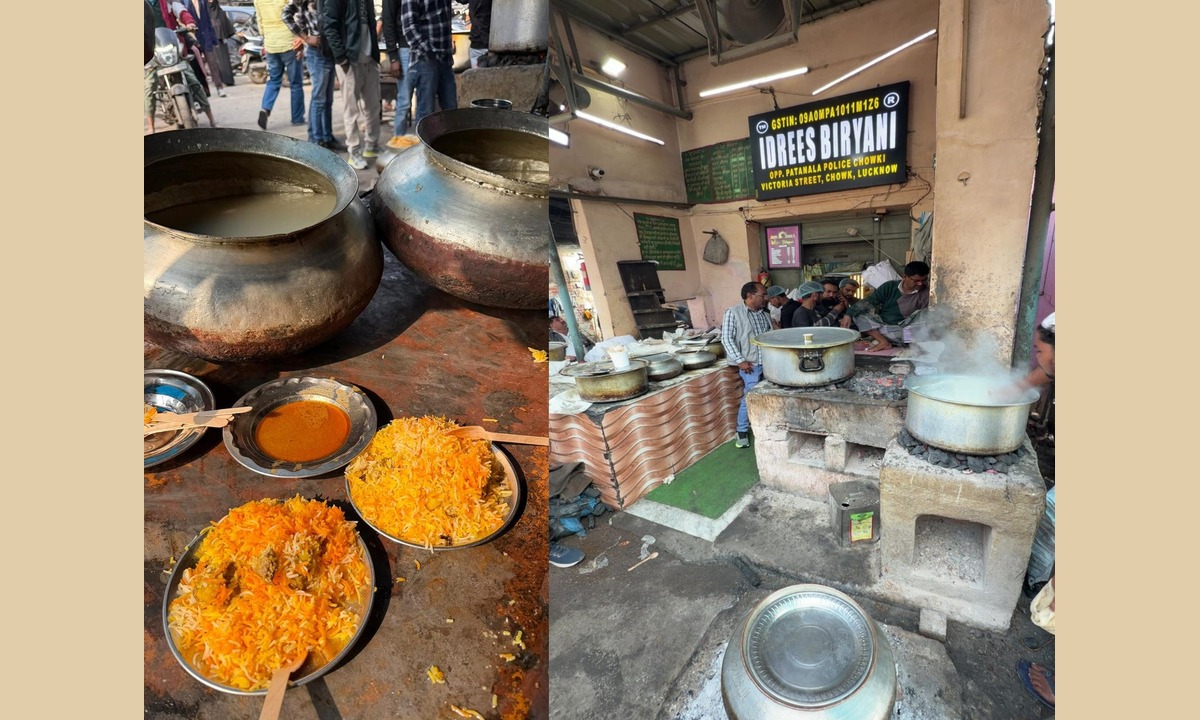
Lucknow or Zaike: A City Remembered Through Taste by Mohammed Syed Zaid February 11, 2026
Business
What's Up With WhatsApp? by Prateek Shukla February 9, 2026
Entertainment
Reviving the Sounds of Awadh: Folk Singer Sarita Tiwari to Provide Free Training to Rural Women and Girls by Awadh 360° Desk February 7, 2026
India
रिसर्च एंड डेवलपमेंट योजना’ के तहत सेंटर ऑफ एक्सीलेंस गठन हेतु विशेषज्ञ समितियां गठित by Awadh 360° Desk February 6, 2026