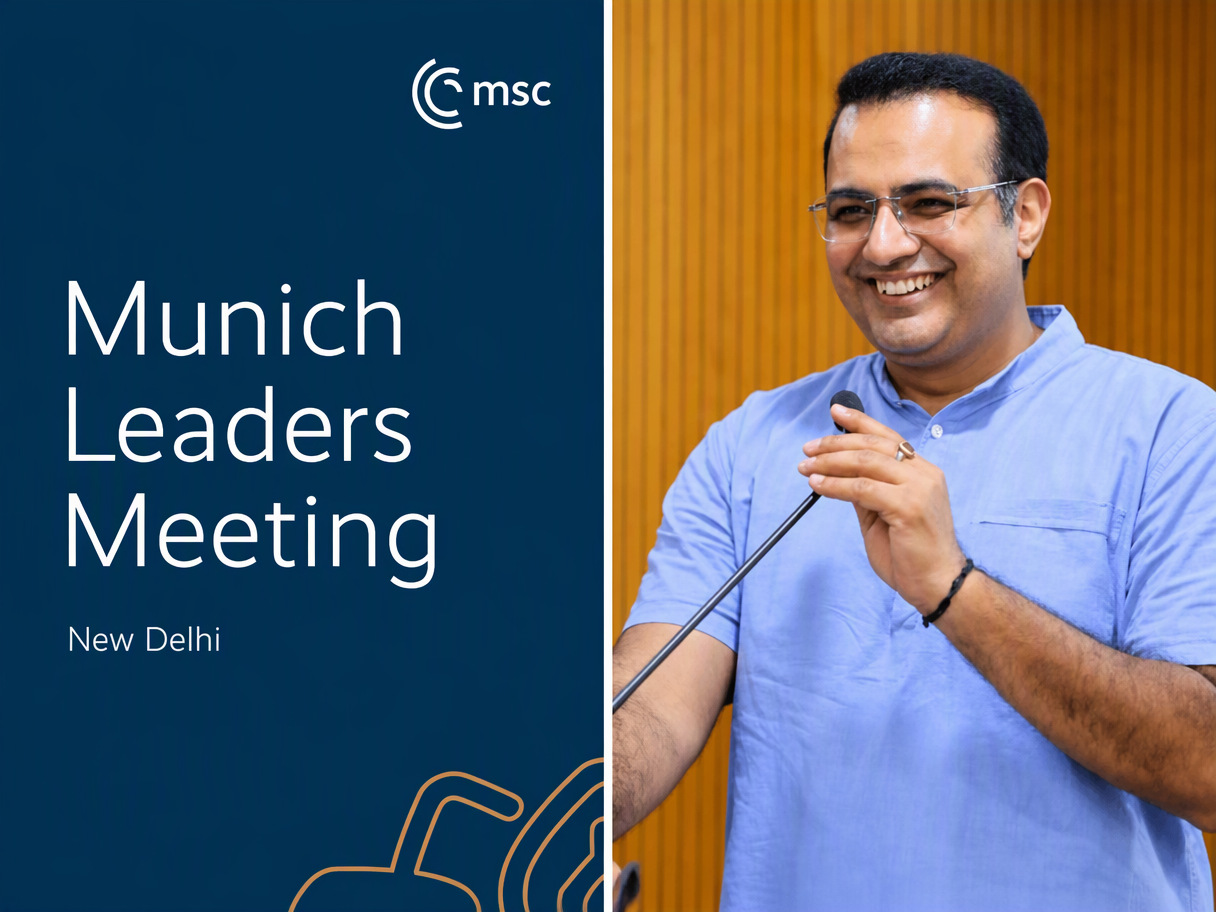
Munich Comes To Delhi: India's Seat At The Global High Table
For decades, the geography of global power was relatively easy to understand. The West made the rules, and much of the world adjusted.
That world order is now changing.
As External Affairs Minister S Jaishankar has put it, "the world is becoming multi-polar... And multi-polarity is here to stay". India, increasingly, is emerging as one of the pillars of this multipolar world.
That's why the Munich Security Conference's decision to bring its Munich Leaders Meeting to New Delhi on October 4-5 is about more than a two-day gathering of diplomats, policymakers and strategic thinkers.
It reflects a deeper geopolitical shift.
India is no longer merely participating in conversations about the international order. Increasingly, it is becoming one of the countries around which those conversations are organised.
The Geography Of Power Is Changing
The old international system was built around blocs. The new one is increasingly shaped by overlapping interests.
During the Cold War, strategic choices were often presented as binaries. Today, countries want multiple partnerships, markets, technology sources and diplomatic channels.
Security, trade, energy, technology and connectivity are now deeply interconnected. The traditional divide between "Western" and "non-Western" countries is becoming harder to sustain.
India has understood this shift.
New Delhi has deepened its engagement with the United States and Europe, strengthened the Quad, maintained ties with Russia, remained active in BRICS and the Shanghai Cooperation Organisation, and expanded its engagement with the Gulf, Africa and the Global South.
This is not diplomatic inconsistency. It is strategic autonomy in a world where power is becoming more distributed.
The Munich Security Report 2025 made a similar observation, noting that India combines cooperation with Western groupings such as the Quad with participation in platforms such as BRICS and the SCO. It described India's approach as "non-Western rather than anti-Western".
This could become one of the defining features of 21st-century geopolitics.
India does not necessarily want to replace one bloc with another. It wants enough strategic room to work with different powers on different problems.
India Is No Longer At The Periphery
One way to measure India's growing diplomatic weight is to look at the rooms in which it is expected to be present.
India is central to BRICS, a key member of the Quad, and a member of the G20 and SCO. It has also been repeatedly invited to G7 outreach meetings despite not being a G7 member. Its participation at the Munich Security Conference has become increasingly consequential.
At the 2026 conference, Jaishankar engaged with G7 foreign ministers, participated in discussions on UN reform and argued for a more representative international system. He also stressed that the world is moving towards greater multipolarity, with more autonomous centres of decision-making.
This marks an important evolution. Under Prime Minister Narendra Modi, India is no longer simply asking to be included in an architecture created by others. It is increasingly argued that the architecture itself needs to change. A greater push for time-bound UNSC reforms was also discussed at the recently concluded BRICS Summit in New Delhi.
Therefore, the significance of the Munich Leaders Meeting in New Delhi goes beyond symbolism.
Interestingly, a forum that historically grew out of the transatlantic security establishment is now taking an important conversation to India at a time when the Indo-Pacific has moved to the centre of global strategic calculations. The region is now critical to maritime security, supply chains, technology, energy, trade and the future balance of power.
The Confidence Of A Rising Power
India's changing global position cannot be separated from the transformation of its external engagement under Prime Minister Narendra Modi.
Perhaps the biggest change has been psychological. India's foreign policy increasingly operates from the assumption that the country has interests to defend, partnerships to shape and propositions to offer -- rather than simply expectations to manage.
This confidence is visible in India's willingness to engage simultaneously with Washington, Moscow, Beijing, Brussels, Riyadh, Tehran, Tokyo and the wider Global South. It is also reflected in India's insistence that strategic autonomy does not mean strategic isolation.
All this at a time when the world is witnessing wars, fragmented supply chains, technological competition, energy insecurity and contested maritime spaces. India sits at the intersection of many of these pressures.
It is a continental power with unresolved border questions, an Indian Ocean power, a major energy consumer, a technology and services powerhouse, a nuclear-armed state and one of the world's largest economies.
The combination gives India something few countries possess: scale and strategic relevance across multiple theatres. The Munich Leaders Meeting is therefore an opportunity for India not just to be heard, but to shape the questions being asked.
A conversation about the Global South needs India. So does any serious discussion on the Indo-Pacific, energy security or maritime security in the Indian Ocean. India's growing role in shaping conversations on the future of global institutions is another reflection of its expanding geopolitical weight.
This does not mean India agrees with every participant at every forum. In fact, its value may lie precisely in the opposite. A country does not become geopolitically consequential by agreeing with everyone. It becomes consequential when others have to take its interests into account even when they disagree with it.
Gen Z In Geopolitics
No conversation is complete without the youth being a part of it. When India hosted the G20 Summit in 2023, it did something unique. Rather than limiting the summit to New Delhi, it held events across India, and made sure that youths get to be a part of discussions, and have their first real-world brush with geo-politics.
If India's global ambitions are to outlast any particular government or political generation, geopolitics cannot remain the preserve of diplomats and foreign-policy specialists.
Young Indians need to understand why a conflict thousands of kilometres away can affect oil prices at home. They need to understand why semiconductor supply chains are now matters of national security, and why the Indian Ocean is central to India's economic future.
Most importantly, they need to understand what multipolarity means. For a young country like India, this intellectual transition is critical.
Munich In Delhi Is A Geopolitical Statement
The most useful way to look at the October meeting may be to reverse the usual question. Instead of asking why India is hosting an important Munich gathering, ask why Munich is coming to India.
The answer lies in the changing distribution of global power. The United States remains indispensable. China remains formidable. Europe is redefining its strategic role. Russia retains military and energy influence. Gulf states are becoming more assertive. Middle powers are demanding greater agency.
And somewhere at the centre of this increasingly crowded landscape sits India. Not as a camp follower. Not merely as a bridge between others. But as a power with its own interests, partnerships and increasingly, its own conception of what a stable international order should look like.
Popular Categories
Read More Articles
Education
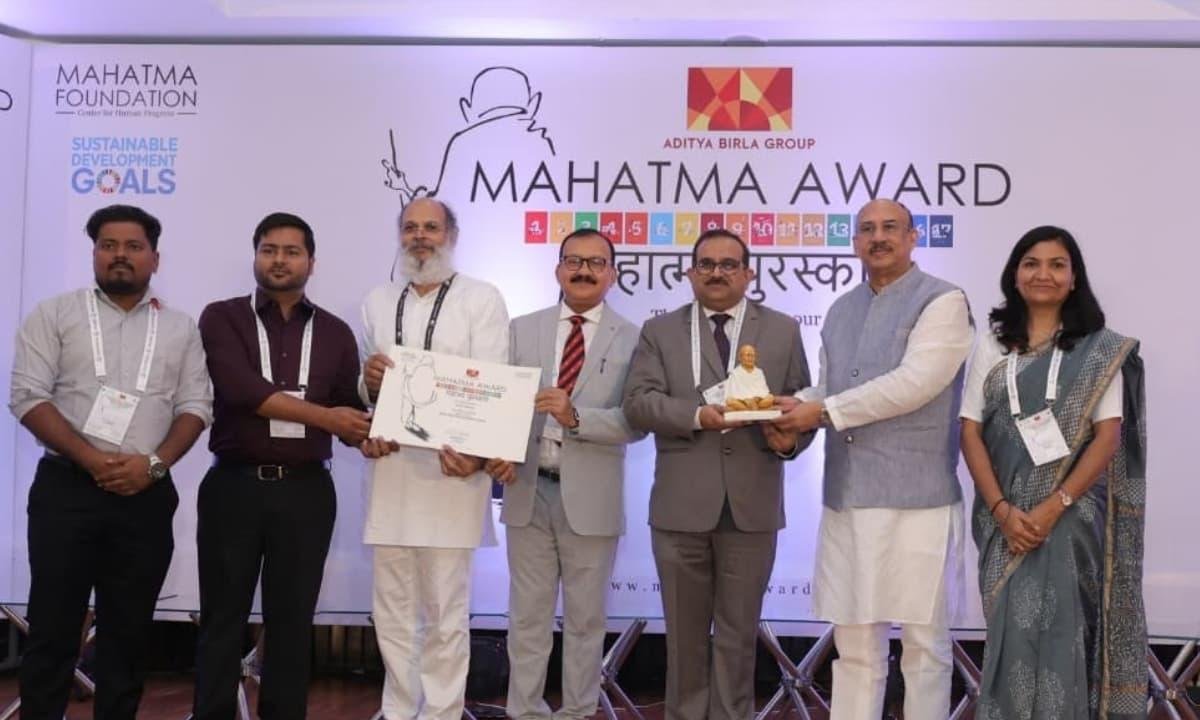
CSR initiatives give Bahraich govt schools an infrastructure boost by Awadh 360° Desk October 5, 2026
Technology
Dyson’s new Rs 47,000 toothbrush can ‘see’ between your teeth. Would you pay? by Awadh 360° Desk September 3, 2026
Politics
Seven Streams, One Goal: Inside PM Modi's 'Saptadhara' Vision To Build A Viksit Bharat by Abhishek Tandon August 30, 2026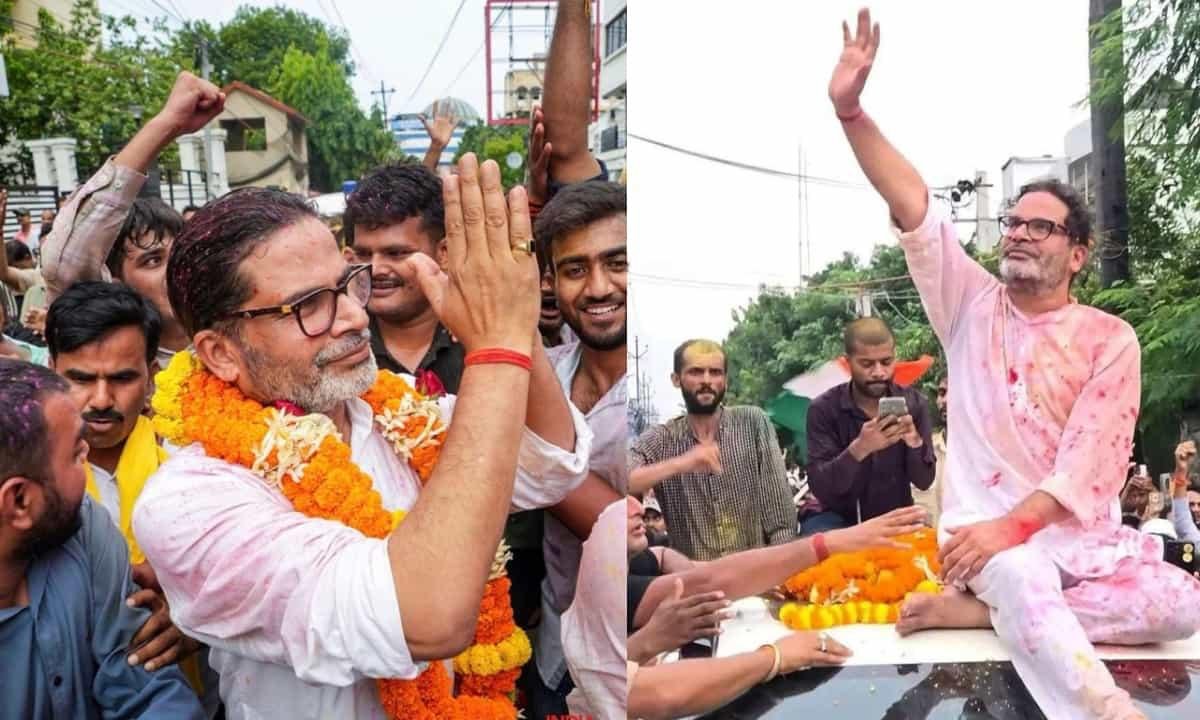
Politics
Bankipur bypoll: More than one seat, Prashant Kishor’s first real political breakthrough by Awadh 360° Desk August 4, 2026